
Top Equipment Choices for Efficient Barn Demolitions
Discover the most effective tools and machinery designed to simplify barn demolition projects with safety and efficiency in mind.
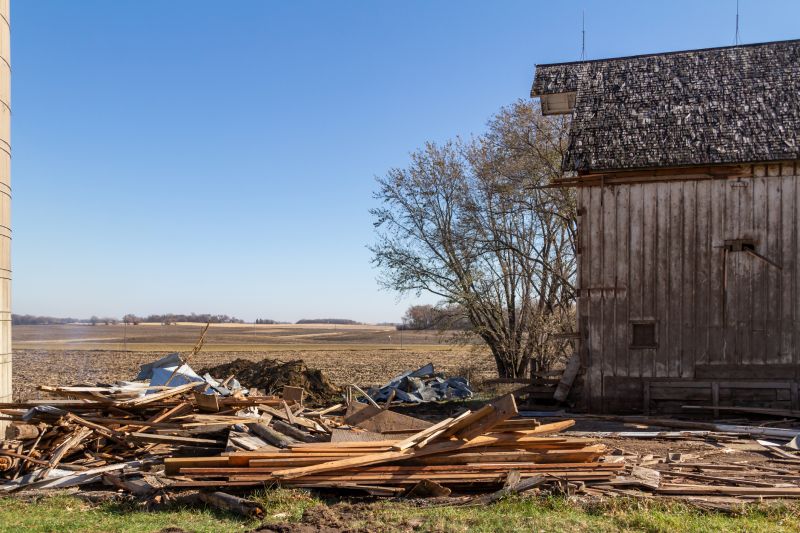 Barn demolitions involve a variety of tasks that require specialized equipment and tools to ensure safety and efficiency. Whether dismantling old structures for renovation, repurposing, or clearing land, selecting the right products is essential for a smooth operation. Heavy machinery such as excavators and skid steers are often employed to handle large-scale demolition, while hand tools like sledgehammers and pry bars assist with more detailed work. Proper safety gear including helmets, gloves, and eye protection is equally important to protect workers from potential hazards.
Top Overall Option
Heavy-Duty Demolition Excavator
A versatile and powerful piece of equipment, the heavy-duty demolition excavator is capable of handling large-scale barn demolitions with precision. Equipped with various attachments such as hydraulic breakers, shears, and grapples, it allows operators to efficiently dismantle structures of different materials. Its adjustable arm and high maneuverability enable detailed work in tight spaces, making it suitable for both initial demolition and debris removal. When operated by trained professionals, this machinery can significantly streamline the process while maintaining safety standards.
Types of Products For Barn Demolitions
Hydraulic Breakers
Hydraulic breakers are attachments for excavators used to break through concrete, brick, and other hard materials during demolition.
Pry Bars and Crowbars
Manual tools ideal for prying apart wooden structures and removing nails or fasteners during dismantling.
Sledgehammers
Heavy-duty manual hammers used for breaking smaller sections of wood or masonry.
Skid Steer Loaders
Compact machines equipped with various attachments suitable for debris removal and site clearing.
Debris Chutes
Portable chutes that facilitate safe and efficient debris disposal from elevated structures.
Demolition Saw
Power saws designed for cutting through wood, metal, or concrete during dismantling.
Concrete Crushers
Specialized attachments or machines used to crush concrete debris into manageable sizes.
Safety Helmets
Protective headgear essential for worker safety during demolition activities.
Work Gloves
Durable gloves to protect hands from sharp objects and rough materials.
Dust Suppression Systems
Equipment designed to minimize airborne dust during demolition work.
Portable Generators
Power sources for tools and equipment in remote demolition sites.
Lifting Slings and Straps
Securely lift and move heavy structural components during dismantling.
Wheelbarrows and Dump Carts
Manual transport tools for debris and waste removal in smaller projects.
Land Clearing Attachments
Specialized tools for clearing roots, stumps, and underbrush post-demolition.
Structural Support Systems
Temporary supports to stabilize structures during partial dismantling.
Popular Choices
Compact excavators suitable for smaller barn demolition projects and tight spaces.
Attachments for cutting through metal and reinforcing bars during demolition.
Handheld pneumatic tools used for breaking concrete and masonry in targeted areas.
Heavy machinery for loading debris into trucks or containers for removal.
Large containers for collecting and transporting demolition waste.
Lightweight power saws for quick cuts during dismantling tasks.
Personal fall protection gear for workers operating at heights.
Machines for grinding up wood and brush after demolition.
Tools for smoothing or removing concrete surfaces during cleanup.
Lighting solutions for working safely in low-light conditions.
Tools designed to efficiently remove nails from reclaimed wood and materials.
Respiratory protection to guard against dust particles during demolition.
Durable bags for collecting small debris and waste materials.
Remote-controlled machines designed for precise demolition in hazardous areas.
Safety barriers to secure the demolition site and prevent unauthorized access.
When planning a barn demolition, assessing the structure's materials and condition can influence the choice of equipment. For example, wooden barns may require different tools compared to metal or concrete structures. Additionally, considerations around debris removal and disposal are vital, often necessitating the use of dumpsters, debris chutes, or recycling equipment to manage waste effectively. Ensuring that all equipment meets safety standards and is suitable for the specific demolition scope can help prevent accidents and streamline the process.
From small-scale dismantling to large industrial demolitions, the range of products available caters to various needs. Safety remains a top priority, with products designed to minimize risk and enhance operational control. Proper planning and selecting appropriate tools can significantly impact the efficiency and safety of the project, making it easier to complete the demolition with minimal complications. Understanding the different types of equipment and their applications can help users make informed decisions tailored to their specific barn demolition tasks.
Key Buying Considerations
- Assess the size and material of the barn to determine appropriate equipment and tools.
- Consider the scale of the demolition project to select machinery with suitable capacity.
- Prioritize safety features and protective gear to ensure worker safety during operations.
- Evaluate the ease of equipment maneuverability in confined or complex spaces.
- Determine waste management needs, including debris removal and recycling options.
- Check compatibility of attachments and accessories with existing machinery.
- Review the power requirements and availability of fuel or electricity for equipment operation.
- Estimate project duration to select durable, reliable tools that can withstand extended use.
- Consider environmental factors such as dust control and noise mitigation measures.
- Plan for site access and transportation logistics for moving equipment and debris.
- Research local regulations and permits related to demolition activities.
- Evaluate the availability of maintenance and technical support for chosen equipment.
- Balance cost considerations with quality and safety features to ensure value.
- Identify whether manual tools or heavy machinery are more suitable for specific tasks.
- Ensure that all equipment complies with safety standards and industry regulations.